
Course Description
Today’s most promising young company could be gone tomorrow if leaders aren’t prepared to grow strategically. “Scaling Innovation: AI and Digital Strategies for Business Transformation,” offered in collaboration between Columbia Engineering and CKGSB, is part of a series aimed at unicorn companies and other fast-growing companies to give senior executives the insights and tools they need to harness the power of AI and other technology to drive business growth and innovation.
You will learn practical ways to integrate new technology into your company’s growth strategy, positioning your organization for success in a competitive, tech-driven world. You will also have the chance to network with industry experts, entrepreneurs, and thought leaders, gaining actionable strategies and building connections that can help your business expand globally.
This program offers you the opportunity to master AI algorithms and data analytics, navigate future technology landscapes, and embrace cross-cultural perspectives. You’ll gain insights from industry experts and collaborate with entrepreneurs from around the world. By participating in Scaling Innovation, you will emerge as a visionary leader with the ability to:
- Evaluate if your company is ready for AI and global growth.
- Create a strategic plan that balances innovation with financial sustainability and scalability.
- Understand the funding needed for AI and tech-driven growth, and learn how to secure these resources.
- Integrate AI into your marketing and branding to support digital transformation and global expansion.
- Develop a scalable business model that adapts to international markets using AI and data insights.
- Better understand how to do business globally.
Who Should Attend
This program is ideal for:
- Board members and C-suite executives poised to redefine their organization’s digital trajectory.
- Senior leaders who envision a seamless integration of digital strategies into traditional business models.
- Executives aspiring to high-ranking roles such as CEO, CSO, CTO, CDO, and CIO.
- Unicorn company leaders responsible for growth
Past participants have held roles such as Founder & CEO, Strategic Advisor, VP of Open Innovation, Chief Technology Officer, VP of Engineering, Head of Strategy, Solution Architecture Director, and COO, across a wide variety of industries.
What You Will Learn
By the end of this program, you will be able to:
- Identify emerging trends in digital innovation.
- Master advanced AI techniques and applications.
- Develop strategies for navigating the evolving tech landscape.
- Implement data-driven finance and investment strategies.
- Formulate career advancement strategies and drive organizational growth.
- Gain diverse global perspectives and cross-cultural insights.
- Explore industry-leading best practices through company visits.
- Cultivate cross-continental entrepreneurial networking.
- Integrate AI into marketing and product design.
The program schedule and faculty are subject to minor changes.
Columbia Faculty
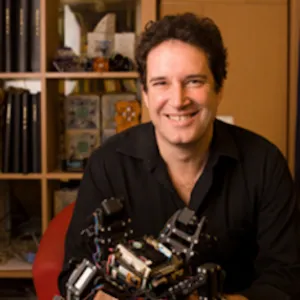
An award-winning researcher, teacher, and communicator, Lipson enjoys sharing the beauty of robotics through his books, essays, public lectures, and radio and television appearances. He is a professor of Mechanical Engineering and Data Science at Columbia University, where he directs the Creative Machines Lab, which pioneers new ways to make machines that create, and machines that are creative. Before joining Columbia University in 2015, Lipson spent 14 years as a professor at Cornell University. He received his PhD in 1999 from the Technion–Israel Institute of Technology, followed by a postdoc at Brandeis University and MIT. His work on self-aware and self-replicating robots challenges conventional views of robotics and has enjoyed widespread media coverage. He has also pioneered open-source 3D printing, as well as electronics 3D printing, bio-printing, and food printing. Lipson has co-authored over 300 publications that have received over 14,000 citations to date. He has co-founded four companies and is a frequent keynote speaker at both industry and academic events. His TED Talk on self-aware machines is one of the most viewed presentations on AI and robotics.
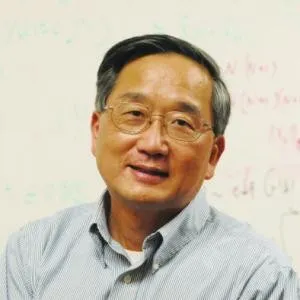
David Yao (Faculty Lead/Advisor) is the Piyasombatkul Family Professor of Industrial Engineering and Operations Research at Columbia University, where he has been co-chairing the Financial and Business Analytics Center at Columbia Data Science Institute. Since 2021, he has also been the co-director of the AI-Fintech Lab located in Science Park, Hong Kong, a collaborative project between Columbia and City University, Hong Kong. His research and teaching interests are in operations research, stochastic systems, and financial engineering/technology. Some of his recent works include modeling and mechanism design in decentralized consensus protocols (e.g., blockchains and DAO), systemic risk in supply-demand networks, carbon emission, and the emission trading system (ETS). He is an IEEE Fellow, an INFORMS Fellow, and a Member of the U.S. National Academy of Engineering.
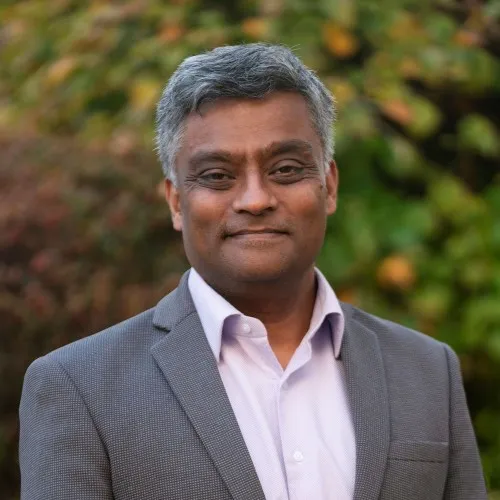
As the Avanessians Director of DSI, Garud Iyengar leads education and research initiatives for Columbia’s central hub of data science and AI scholarship with more than 400 affiliated faculty received his B. Tech. in Electrical Engineering from IIT Kanpur, and an MS and PhD in Electrical Engineering from Stanford University. His research interests are broadly in control, machine learning and optimization. His current projects focus on the areas of large-scale power systems and supply chains, causal inference, and modeling of cellular processes. He was elected an INFORMS Fellow in 2018. He was the Chair of the Department of Industrial Engineering and Operations Research from 2013-19. He has been an Amazon Scholar from 2019-2024. He was Columbia Engineering’s Senior Vice for Dean of Research and Academic Programs from 2021-2024.
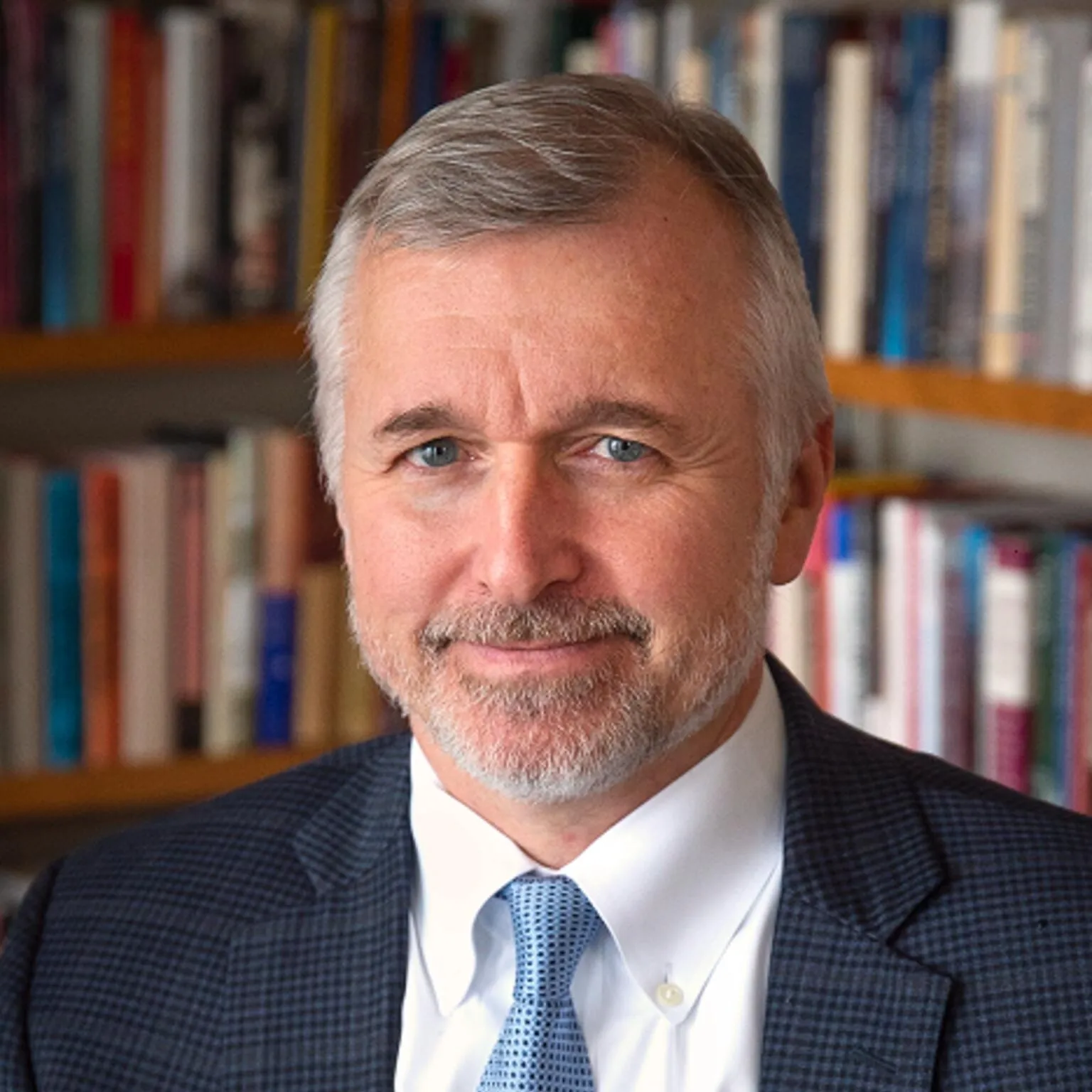
Thomas J. Christensen is the James T. Shotwell Professor of International Relations and Director of the China and the World Program at Columbia University's School of International and Public Affairs (SIPA) and the Pritzker Chair at the Center for Strategic and International Studies in Washington, DC. He was previously the William P. Boswell Professor of World Politics at Princeton University. From 2006-2008, he served as Deputy Assistant Secretary of State for East Asian and Pacific Affairs with responsibility for relations with China, Taiwan, and Mongolia. His research and teaching focus on China's foreign relations, the international relations of East Asia, and international security. He received his B.A. from Haverford College, M.A. from the University of Pennsylvania, and Ph.D. from Columbia University. He was presented with a Distinguished Public Service Award by the United States Department of State.
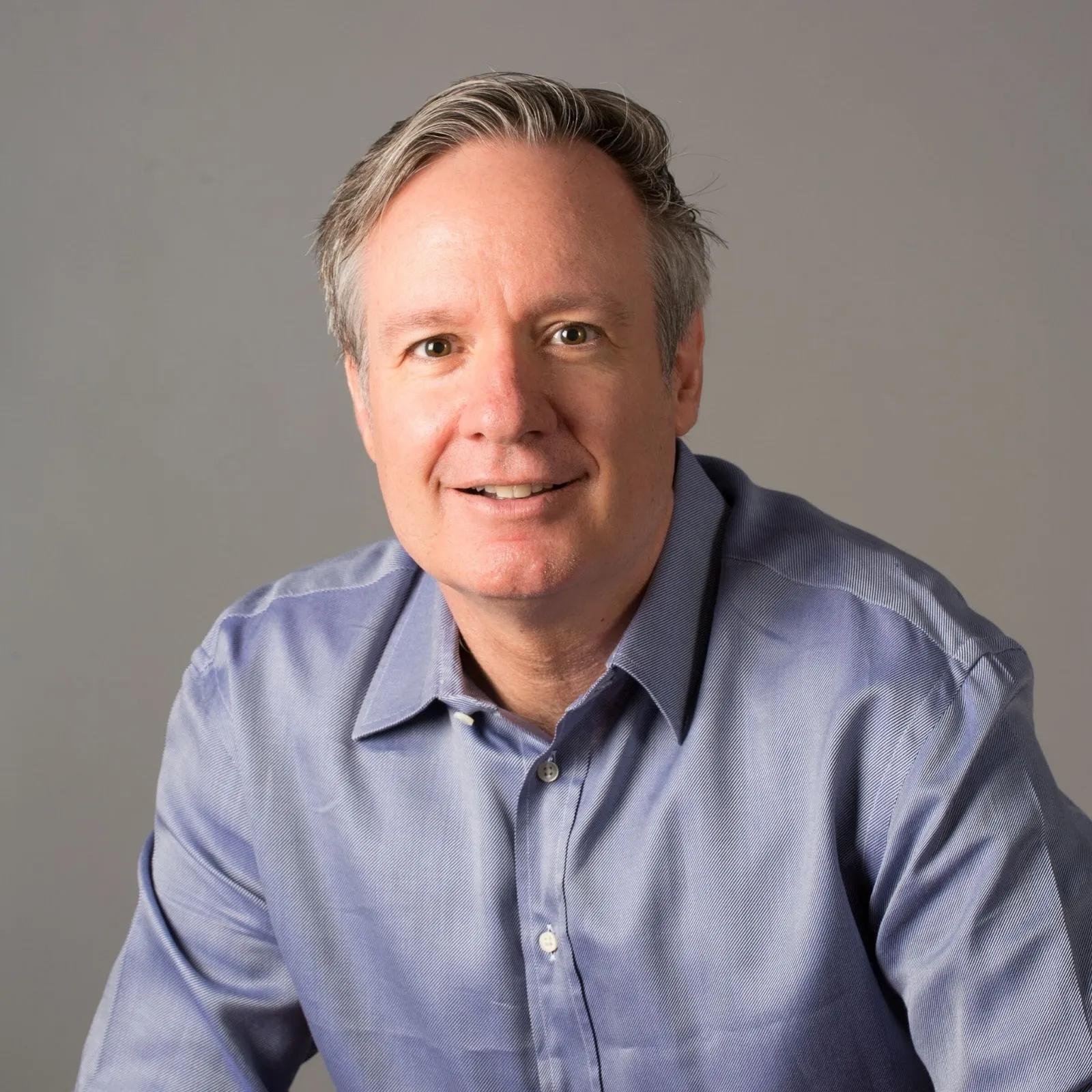
Paul Sajda is interested in what happens in our brains when we make a rapid decision and, conversely, what processes and representations in our brains drive our underlying preferences and choices, particularly when we are under time pressure. His work in understanding the basic principles of rapid decision-making in the human brain relies on measuring human subject behavior simultaneously with cognitive and physiological states. His use of machine learning and data analytics to fuse these measurements for predicting behavior and inferring brain responses to stimuli is important in his approach. Sajda applies the basic principles he uncovers to construct real-time brain-computer interfaces that improve interactions between humans and machines. He is also applying his methodology to understand how deficits in rapid decision-making may underlie and be diagnostic of many types of psychiatric diseases and mental illnesses.
Sajda received a BS in electrical engineering from the Massachusetts Institute of Technology (MIT) in 1989 and an MSE and PhD in bioengineering from the University of Pennsylvania in 1992 and 1994, respectively. He is a fellow of the IEEE, AIMBE, IAMBE, and AAAS.
Harry West is building a human-centered design and innovation curriculum at Columbia and working at the intersection of design, data, and human behavior with a focus on designing for behavior change. He is also the Principal of Invisible Design, which helps design organizations align their work meaningfully with company strategy. Harry was formerly the CEO of frog (now part of Capgemini), Senior Partner at Prophet, and CEO at Continuum (now part of Epam), where his work ranged from developing new products with P&G - resulting in the creation of Swiffer and ThermaCare - to envisioning new ways for people to interact with financial services with BBVA and Fidelity.
Prior to working in design consulting, Harry was an associate professor of Mechanical Engineering at MIT, where he taught kinematics and engineering design. He received his BA in Engineering from Cambridge University in 1980, an MS in Technology and Policy from MIT in 1984, and a PhD in Mechanical Engineering from MIT in 1986.
Xiaobo Lü is the Ann Whitney Olin Professor of Political Science at Barnard College. Professor Lü was the founding Director of Columbia Global Centers - East Asia in Beijing from 2008-2010. While in China, he was a visiting professor at Tsinghua University and taught courses at the School of Public Policy and Management at Tsinghua. He also lectured at Renmin, Zhongshan, and Peking Universities and participated in several conferences on regulatory reform and environmental governance in China. Professor Lü teaches courses on Chinese politics, political economy, and comparative politics. His research interests include post-socialist transition, corruption and good governance, regulatory reforms, and government-business relations. He is a regular commentator on China and US-China relations on PBS, CNN, BBC, and NPR and has delivered speeches and briefings to organizations such as the Council on Foreign Relations, the Asia Foundation, the Asia Society, World Affairs Council, National Committee for US-China Relations, American Center for International Leadership, Asia Society, the China Institute of America, and the Japan Society.
Professor Lü received his PhD in political science from the University of California, Berkeley, in 1994. He received an Individual Project Fellowship from the Open Society Institute in 1998–1999 and was appointed a National Fellow at the Hoover Institution, Stanford University, for the same year. In 2001, he was named an International Affairs Fellow by the Council on Foreign Relations. Professor Lü joined the Barnard faculty in 1994.
Contact Us
Columbia Engineering Executive Education
[email protected]
Interested in a master's degree in artificial intelligence? Learn more about our online, part-time MS in AI.